 by Tom Barrance
Films don’t have to be just about bare stories and information. You can use pictures, sound and editing to build up a sense of a place or mood or to get ideas across.
1 Use reflections and shadows
Look for things reflected in windows, mirrors or water. Rippling water can be a great way to add life and movement to your film, particularly if you use a telephoto lens to compress the perspective.
2 Look for wind and movement
Is there anything in the scene that can show that there’s wind? Look for the leaves of trees, grass, waste paper blowing across a pavements, clouds scudding across the sky. Keep the camera still so that people see the movement.
3 Shoot through things
Shoot through windowpanes, grids, fences, out of focus branches, and distorting or coloured glass.
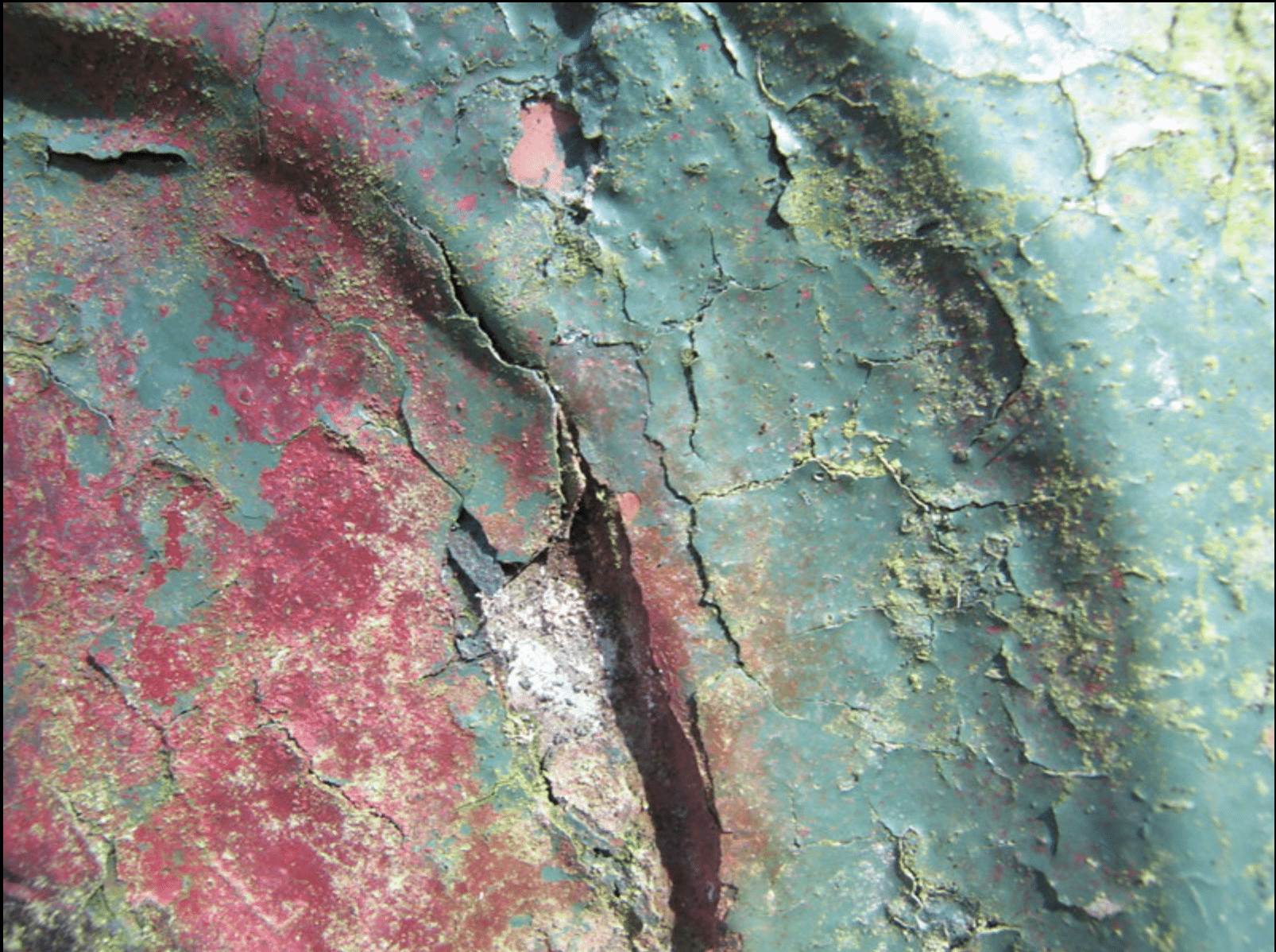
4 Shoot textures and patterns
Concentrate on things like pebbles, wood grain or tree bark, sand, rust and peeling paint. Get in close and fill the frame with them.
5 Look for simple shapes
Film things that are round, square or rectangular. Film square on so that the shapes are obvious.
6 Compare similar things
If you shoot several things with a similar shape or pattern, you can edit them together to show the similarities.
7 Contrast different things
You can also clash together things that are very different, for example a rigid grid and rippling grass.
8 Listen for the sounds
Don’t forget the importance of sound for creating a feeling of place. Try to record unusual, distinctive or interesting sounds from the place.
9 Use colours for meaning
Certain colours make us thing of certain things. Grey or brown can be sad and drab, red can be threatening, orange and yellow can be warm and welcoming, blue can be calm or cold.
10 Use things for meaning
Look for things like rust, splintered wood or peeling posters to show decay, or buds or shoots to show life.
My Filmmaking Ebook
 Start Making Movies is my 163-page illustrated guide to filmmaking, drawing on more than thirty years' experience of teaching film. It starts from the basics and takes you through how films tell stories, what gear you need, and how to plan, shoot and edit your own short movies or videos.
If you can't afford the guide price of $14.99, just pay what you can.
Check it out here
Opens Payhip store in a new tab.
 “This book is amazing” Tiffany, USA
“A great visual primer…Highly recommended” Peter Hearns, UK
“Full of great tips and advice” Deborah, Australia
“This book is amazing” Tiffany, USA
“A great visual primer…Highly recommended” Peter Hearns, UK
“Full of great tips and advice” Deborah, Australia